Best Beginner Bong Setup

Best Beginner Bong Setup

best beginner bong setup

The best beginner bong setup should be easy to use, easy to clean, and forgiving of beginner mistakes. This guide breaks down the best beginner bong setup by focusing on stability, airflow, and simple components that help new users get smoother hits without overcomplicating the experience. Rather than listing products or trends, the goal here is to explain how a beginner-friendly bong is built, why each part matters, and how to set it up correctly from the start.

Key Takeaways:

-The best beginner bong setup works best when the bong is stable, simple, and easy to control, not oversized or feature-heavy

-Glass quality and shape matter more than added percolators or accessories

-Fewer components make it easier to learn proper packing, pulling, and clearing technique

-Starting simple creates a better baseline and avoids problems that turn new users off early

what makes a bong beginner-friendly?

best beginner bong setup

A beginner-friendly bong is one that feels stable, responds predictably, and doesn’t require constant adjustment or maintenance. When those basics are right, learning becomes easier and mistakes are less frustrating.Stability matters first. A bong that feels secure when you set it down lets you focus on packing, lighting, and clearing without worrying about tipping or breaking glass.

Airflow should be smooth and forgiving. Beginner setups don’t demand strong pulls or perfect timing, which makes it easier to learn control without coughing through every hit.

Finally, ease of cleaning keeps the experience enjoyable. Simple designs are easier to rinse, inspect, and maintain, helping beginners build good habits early.

customer favorites

ideal bong size & shape for beginners

Size and shape work together in a beginner bong setup. A piece that’s too small can feel harsh, while one that’s too tall or narrow can feel awkward to handle.For most beginners, a medium-height bong (around 10–12 inches) offers the best balance. This size provides enough space to cool smoke without becoming bulky or hard to control.

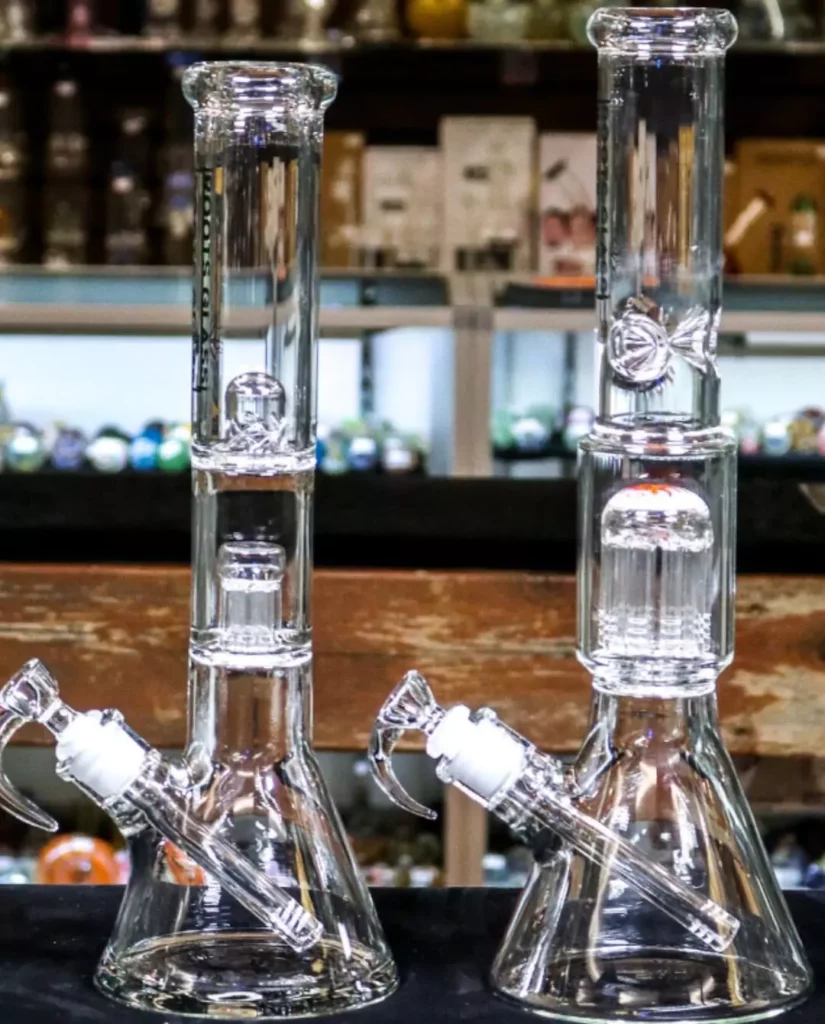
Shape matters just as much. Beaker-style bongs are especially beginner-friendly because their wider base adds stability and their larger water volume helps smooth out hits. They’re also easier to clean and harder to tip over than straight-tube designs.

Very tall or overly complex shapes tend to suit experienced users, while very small bongs often produce hotter, harsher hits. Starting with a medium-sized beaker keeps the learning curve manageable and the experience consistent.

Price tends to follow design. Simple, medium-sized beaker bongs are usually more affordable because they focus on function rather than added features. For beginners, spending more often means paying for complexity, not better performance. A well-made, basic piece is enough to learn on without worrying about breaking or replacing it early.

best bong material for beginners

best beginner friendly bongs

Material choice matters more than most beginners expect because it affects durability, taste, and how forgiving the bong is to use and clean. 

Borosilicate glass is the standard for a reason. It handles heat well, doesn’t affect flavor, and is easy to clean thoroughly. For beginners, glass makes it obvious when the bong is dirty, when the water level is off, or when resin is building up. That visibility helps new users learn proper maintenance instead of guessing. Thicker glass also adds weight, which improves stability and reduces accidental tipping.

Silicone bongs are sometimes marketed as beginner-friendly because they’re hard to break, but they come with trade-offs. While durable, silicone can retain odors over time and doesn’t offer the same clean taste as glass. It also hides buildup, which can lead beginners to clean less often than they should. Silicone bongs can be useful for travel or rough environments, but it’s not ideal for learning good habits.

Other materials, like acrylic or mixed-metal designs, tend to sacrifice taste and long-term usability for lower cost. They may seem appealing upfront, but they’re more likely to be replaced quickly as beginners gain experience.

For most first-time users, thick borosilicate glass offers the best balance of durability, flavor, and ease of maintenance. It’s straightforward, reliable, and gives beginners a clear understanding of how a bong should function. While silicone options can appear cheaper upfront, beginners often end up replacing them once taste, cleaning, or long-term use becomes a priority.

Essential parts of a beginner bong setup

A beginner bong setup only works well when each part is doing its job without adding confusion. One of the biggest mistakes new users make is assuming they need extra accessories to get good results. In reality, a simple setup with just a few core components is easier to use, easier to clean, and more reliable.

The bong body is the foundation. This is the main glass piece that holds the water and smoke. For beginners, a single-chamber design is ideal because it’s easy to understand and doesn’t introduce unnecessary drag or cleaning issues.

The downstem controls airflow and filtration. A basic slitted downstem is all a beginner needs. It allows smoke to diffuse into the water without requiring strong pulls or precise timing. More complex downstems can clog faster and are harder to clean, which adds friction early on.

The bowl is where the material goes. A standard bowl with a single hole is the most beginner-friendly option. It’s easy to pack, easy to clear, and doesn’t require special technique. Multi-hole or novelty bowls don’t offer meaningful advantages at this stage and can complicate airflow.

Water is the final essential component, and it’s often overlooked. The correct water level should just cover the bottom of the downstem. Too much water increases drag and splashback, while too little reduces filtration and makes hits harsher.

That’s it. A beginner bong setup does not require ash catchers, multiple percolators, reclaim traps, or specialty accessories. Starting with only the essentials makes it easier to learn how each part works and avoids problems that can make early sessions frustrating.

how to setup a bong step by step

Setting up a bong correctly makes a noticeable difference in how smooth and consistent your first sessions feel. The process is simple, but small mistakes—especially with water level—can make hits harsher than they need to be.

Step 1: Insert the downstem

Gently place the downstem into the joint on the bong body. It should sit at a slight angle and feel secure without being forced. Never twist or push aggressively, as this is one of the most common ways beginners crack glass.

Step 2: Add water

Pour water into the bong until the bottom of the downstem is submerged by about half an inch to one inch. This is the ideal range for filtration. If the water bubbles up toward your mouth when you inhale, there’s too much. If there’s very little bubbling, there may not be enough.

Step 3: Attach the bowl

Insert the bowl into the top of the downstem. It should sit snugly but still be easy to remove. Avoid overpacking the bowl at this stage—loose, even packing allows for better airflow and easier clearing.

Step 4: Test the airflow

Before lighting anything, take a slow pull through the bong. You should feel smooth resistance and hear consistent bubbling. If it feels tight or uneven, adjust the water level slightly and test again.

Step 5: Make small adjustments

Minor changes go a long way. A small splash of water removed or added can improve airflow significantly. Beginners often overlook this step, but dialing in the setup makes learning much easier.

Once these steps are done, your bong is ready to use. A properly set-up bong should feel stable, predictable, and comfortable to inhale from without effort.

how to use a bong for the first time

Roots Glass Supply Co-Cropped001 (1)

A beginner-friendly setup is designed to be forgiving, but technique still matters. Rushing the process or pulling too hard is what leads to coughing, harsh hits, and an uncomfortable experience. 

Start with a light pack

Don’t pack the bowl tightly. A loose, even pack allows air to flow through the material evenly, which makes the hit smoother and easier to control. Overpacking restricts airflow and forces you to pull harder than necessary.

Use gentle, steady pulls

As you light the bowl, inhale slowly and steadily. The goal is to let the bong fill with smoke gradually rather than pulling everything at once. Slow pulls help keep the smoke cooler and give you more control over the intensity of the hit.

Clear the chamber smoothly

Once you’ve drawn enough smoke, remove the bowl and inhale to clear the chamber. This final pull should be smooth, not forceful. Clearing too aggressively is a common beginner mistake and often leads to coughing.

Pay attention to comfort

With a steady pace and a simple setup, using a bong becomes intuitive quickly. The more controlled your approach, the smoother and more enjoyable the experience will be.

recommended for your first setup

common beginner mistakes: what to avoid

Most issues beginners have with bongs don’t come from the glass itself—they come from a few repeatable mistakes that are easy to avoid once you know what to look for.

Using too much water

Overfilling the bong is one of the most common problems. Too much water increases drag, makes hits harder to pull, and can cause splashback. The water should only cover the bottom of the downstem. More water does not mean better filtration.

Pulling too hard

Beginners often inhale too aggressively, thinking it will produce a better hit. In reality, pulling too hard overheats the material and fills the chamber too quickly, leading to harsh smoke and coughing. Slow, steady pulls work better and feel smoother.

Overpacking the bowl

A tightly packed bowl restricts airflow and forces you to inhale harder than necessary. This makes the hit feel harsh and uneven. A loose, even pack allows the material to burn more consistently and keeps airflow manageable.

Choosing overly complex glass

Multiple percolators, intricate chambers, and novelty designs look appealing but add drag and make cleaning more difficult. For beginners, these features create more problems than benefits and often lead to frustration early on.

Skipping regular cleaning

Letting residue build up affects flavor and airflow quickly. Beginners sometimes avoid cleaning because it feels complicated, but simple setups are easy to rinse and maintain. Regular cleaning keeps hits smoother and prevents long-term issues.

Avoiding these mistakes makes the learning process smoother and helps beginners enjoy their setup instead of fighting it.

easy cleaning tips for beginners

Keeping your bong clean isn’t complicated — it’s about consistency. A simple beginner setup is easier to maintain, which means better flavor, smoother airflow, and fewer long-term issues.

Follow this simple routine:

1. Rinse After Every Session

Empty the water immediately after use and rinse the chamber with warm water. This prevents residue from drying and bonding to the glass, which makes deeper cleaning much easier later.

2. Deep Clean on a Schedule

Once buildup becomes visible, clean with isopropyl alcohol and coarse salt. The alcohol dissolves resin while the salt provides gentle abrasion when shaken. Rinse thoroughly with warm water until no odor remains.

For a faster, less messy option, a purpose-built cleaner like Aneu Shake to Shine simplifies the process. Instead of mixing salt and alcohol, you can pour, shake for a few minutes, and rinse.

Rinse thoroughly with warm water until no residue remains.

3. Don’t Let It Build Up

Waiting too long makes cleaning harder and affects flavor. If the water smells stale or the glass looks cloudy, it’s time to clean.

4. Clean Parts Separately

Remove the bowl and downstem before cleaning. Smaller pieces are easier to shake clean individually, and separating them reduces the risk of cracking joints.

5. Avoid Abrasive Tools

Skip metal brushes or harsh scrubbers. Scratches create more surface area for buildup and make future cleaning harder.

6. Let It Fully Dry

Allow all parts to air dry completely before reassembling. Trapped moisture can lead to odor or residue issues.

FAQ

What is the best beginner bong setup?

The best beginner bong setup is a medium-sized (around 10–12 inches) beaker-style bong made from thick borosilicate glass, paired with a standard downstem and bowl. This setup is stable, easy to use, and simple to clean, which helps beginners focus on technique instead of fighting the glass.


Is a beaker bong better than a straight tube for beginners?

Yes, in most cases. Beaker bongs have a wider base, which makes them harder to tip over and more forgiving to handle. They also hold slightly more water, which helps cool the smoke and smooth out hits for new users.


What size bong should a beginner use?

Beginners generally do best with a bong in the 10–12 inch range. Smaller bongs can feel harsh, while very tall bongs are harder to control and clear properly. A medium size offers the best balance of filtration and ease of use.


Do beginners need percolators or extra accessories?

No. Beginners do not need extra percolators, ash catchers, or specialty accessories to get smooth hits. In fact, extra features often make bongs harder to clean and use. A simple setup helps beginners learn proper airflow, packing, and clearing technique.


How much should a beginner spend on a bong?

A beginner doesn’t need to spend a lot. A well-made, basic glass bong in an entry-level price range is more than enough to start. Spending more usually adds complexity rather than improving the experience for new users.


Is glass or silicone better for beginners?

Glass is usually the better choice for beginners. Borosilicate glass offers better flavor, easier cleaning, and clearer visibility of water level and buildup. Silicone can be durable, but it often hides residue and can retain odors over time.


How much water should I put in a bong?

The water should just cover the bottom of the downstem, usually about half an inch to one inch. Too much water increases drag and splashback, while too little reduces filtration and makes hits harsher.


Why does my bong hit feel harsh?

Harsh hits are usually caused by pulling too hard, using too little or too much water, or overpacking the bowl. Slowing down your inhale and making small adjustments to water level often fixes the issue quickly.


How often should a beginner clean their bong?

Beginners should empty and rinse their bong after each use and do a deeper clean regularly once residue starts to build up. Keeping the bong clean improves flavor, airflow, and overall comfort.


Can I upgrade my bong later?

Yes. Starting with a simple setup makes it easier to understand what you like and don’t like. Once you’re comfortable, you can explore upgrades knowing they’ll actually improve your experience instead of complicating it.


Should You Add Filtered Water to Your Bong?

Yes, using filtered water in your bong is recommended.

Filtered water contains fewer minerals and impurities than tap water. Over time, hard tap water can leave mineral deposits inside the glass, which makes buildup harder to remove and can cause cloudy staining. Using filtered water helps reduce residue, keeps the glass looking cleaner longer, and makes routine maintenance easier.

Filtered water can also provide a slightly cleaner taste by minimizing chlorine or other additives commonly found in tap water.

While tap water will work, filtered water is a simple upgrade that supports better flavor and easier long-term cleaning.

References:

VICE. (n.d.). A Beginner’s Guide to Buying and Using a Bong.
Provides background on beginner learning curves, bong size, and usability considerations.
https://www.vice[dot]com/en/article/a-beginners-guide-to-buying-and-using-a-bong/

Smoke Cartel. (n.d.). Bongs for Beginners: Ultimate Guide to Water Pipes.
Supports beginner-friendly bong sizes, shapes, and basic setup concepts.
https://www.smokecartel[dot]com/blogs/guides/bongs-for-beginners

Grasscity. (n.d.). Best Bongs for Beginners.
Covers beaker vs straight tube designs, stability, and common beginner mistakes.
https://www.grasscity[dot]com/blog/best-bongs-for-beginners/

Thick Ass Glass. (n.d.). Mini Bong Buyer’s Guide.
Used for glass thickness, size ranges, and functional design considerations.
https://www.thickassglass[dot]com/blogs/blog/mini-bong-guide

Wikipedia. (n.d.). Borosilicate glass.
Reference for material properties such as heat resistance and durability.
https://en.wikipedia[dot]org/wiki/Borosilicate_glass

Toker Supply. (n.d.). Bong Bowl & Joint Sizes Explained (10mm, 14mm, 18mm).
Supports beginner education on standard bong components and fit.
https://www.tokersupply[dot]com/blogs/toker-supply-blog/what-size-is-my-bong-bowl

Read Also

Spend $100 or more, and free shipping will automatically be applied to your cart.

Ultimately, it comes down to personal preference. Straight tube bongs have a chamber that fills up quickly and pulls smoke faster when you inhale. Beaker bongs, on the other hand, have a larger water chamber, allowing for more laid-back hits when you tilt them back, but they require a stronger pull when inhaling.

You must be 21 years or older to buy a bong online. An ID is not required during the online purchase process.

Not 21 Yet

Get 10% off your first order — your discount code will be emailed to you after signup!

Are you 21?

Free shipping on orders over $100